

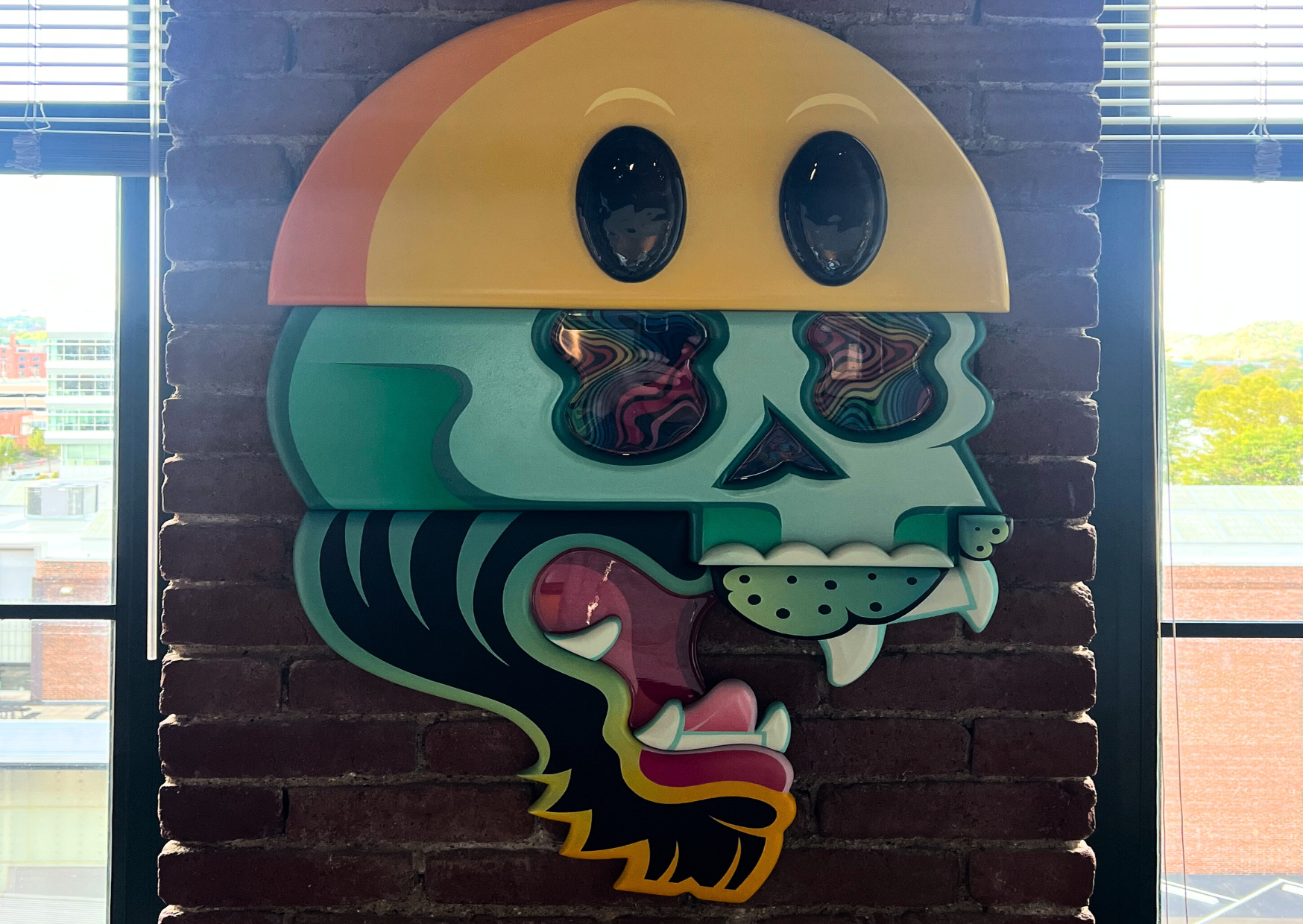
Art districts, also known as cultural districts or creative districts, are designated areas within a city that are dedicated to promoting and supporting the arts. These districts serve as catalysts for urban renewal, revitalizing neighborhoods and transforming them into vibrant cultural hubs. Art districts have a rich historical context, dating back to the 1960s when artists began to reclaim abandoned industrial spaces in cities like New York and London. Today, art districts play a crucial role in contemporary urban development, fostering community engagement, economic growth, and cultural enrichment.
Addiction Recovery Support: How Art Therapy Can Help Heal Communities
Art therapy is a form of addiction recovery support that utilizes the creative process to improve mental health and well-being. In art districts, art therapy programs have been successfully implemented to help individuals struggling with addiction find healing and support. These programs provide a safe and non-judgmental space for individuals to express their emotions and explore their creativity. Through various art forms such as painting, sculpture, and music, participants can gain a sense of self-worth, develop coping skills, and build connections with others who have similar experiences.
One example of a successful art therapy program in an art district is the “Art for Recovery” initiative in San Francisco’s Mission District. This program provides free art classes to individuals in recovery from substance abuse. Participants have reported increased self-esteem, reduced anxiety and depression, and improved overall well-being as a result of their participation in the program.
The benefits of art therapy extend beyond the individual level and have a positive impact on communities as well. By providing a supportive environment for individuals in recovery, art districts contribute to the overall health and well-being of the community. They help break down stigmas associated with addiction and promote understanding and empathy among community members.
Community Building: Fostering Social Connections through Art
Art has the power to bring people together and foster social connections. In art districts, community-building initiatives are often at the forefront of development efforts. These initiatives aim to engage residents, businesses, and artists in collaborative projects that strengthen community identity and promote social cohesion.
One example of a community-building initiative in an art district is the “Art Walk” event in Miami’s Wynwood Arts District. This event takes place on the second Saturday of every month and allows residents and visitors to explore galleries, studios, and street art installations. The Art Walk not only showcases local artists but also provides an opportunity for community members to connect with one another and celebrate their shared love for the arts.
Community engagement is essential in art district development. By involving residents in the planning and decision-making processes, art districts can ensure that the needs and desires of the community are met. This collaborative approach fosters a sense of ownership and pride among community members, leading to a stronger and more resilient neighborhood.
Business Development: The Economic Benefits of Art Districts
Art districts have a significant economic impact on the surrounding area. They attract tourists, stimulate local businesses, and create job opportunities. The presence of art galleries, studios, and performance spaces in these districts draws visitors who spend money on dining, shopping, and entertainment.
One example of successful business development in an art district is the transformation of New York’s SoHo neighborhood. In the 1970s, SoHo was a rundown industrial area with many vacant buildings. Artists began to move into these spaces, turning them into live-work studios and galleries. Over time, SoHo became a popular destination for art lovers and tourists, leading to an increase in property values and the establishment of high-end retail stores.
However, it is important to strike a balance between economic development and community needs. As art districts become more popular and property values rise, there is a risk of displacing long-time residents and artists who can no longer afford to live or work in the area. To mitigate this risk, some art districts have implemented affordable housing programs and rent control measures to ensure that artists and community members can continue to thrive in the district.
Consciousness Expansion: The Role of Art in Promoting Mindfulness and Wellness
Art has the power to promote mindfulness and wellness by providing an outlet for self-expression and reflection. In art districts, mindfulness and wellness initiatives are often integrated into programming to support the mental health and well-being of residents and visitors.
One example of a mindfulness and wellness initiative in an art district is the “Art Therapy for Stress Relief” program in Chicago’s Pilsen neighborhood. This program offers free art therapy sessions to individuals experiencing stress, anxiety, or other mental health challenges. Participants engage in various art activities such as painting, drawing, and collage-making, which help them relax, reduce stress levels, and improve their overall well-being.
Promoting mental health and wellness in urban communities is crucial for creating a sustainable and resilient city. By incorporating mindfulness and wellness initiatives into art district development, cities can prioritize the mental health needs of their residents and foster a culture of well-being.
Cultural Enrichment: Preserving Local Heritage and Promoting Diversity
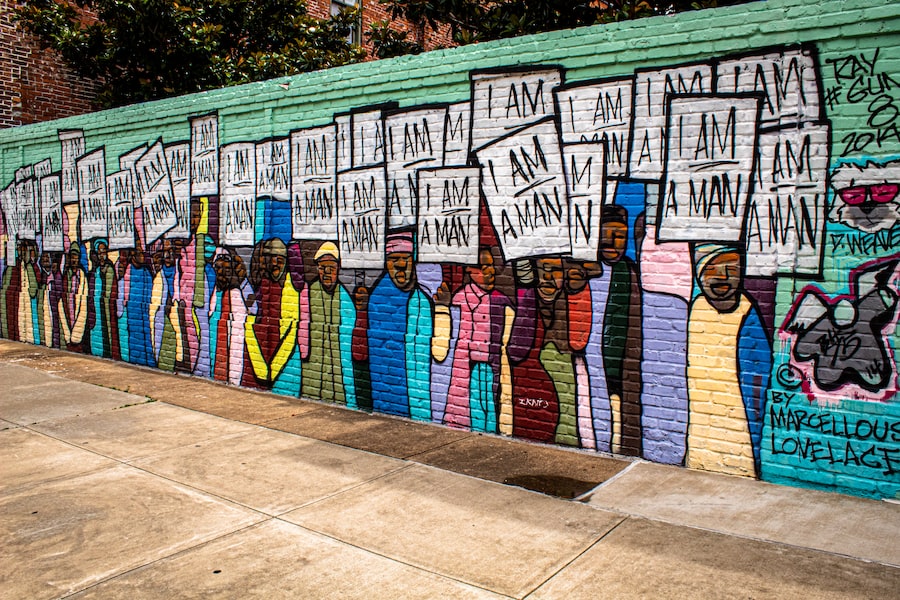
Art districts play a vital role in preserving local heritage and promoting cultural diversity. They provide a platform for artists from diverse backgrounds to showcase their work and share their stories. By celebrating cultural traditions and promoting inclusivity, art districts contribute to the cultural enrichment of urban communities.
One example of a cultural enrichment initiative in an art district is the “Mural Festival” in Montreal’s Plateau-Mont-Royal neighborhood. This annual event brings together local and international artists to create large-scale murals that reflect the cultural diversity of the neighborhood. The festival not only beautifies the area but also serves as a reminder of the rich history and heritage of the community.
Promoting cultural diversity and inclusivity in urban communities is essential for creating a sense of belonging and fostering social cohesion. Art districts provide a platform for marginalized voices to be heard and celebrated, contributing to a more inclusive and equitable society.
Case Study: The Impact of Art Districts on Neighborhood Revitalization
One successful example of art district revitalization is the transformation of the RiNo (River North) neighborhood in Denver, Colorado. In the early 2000s, RiNo was a neglected industrial area with many vacant warehouses and abandoned buildings. Artists began to move into these spaces, transforming them into studios, galleries, and performance venues. Over time, RiNo became a thriving art district, attracting visitors from all over the city and beyond.
The impact of the RiNo art district on the surrounding neighborhood has been significant. Property values have increased, new businesses have opened, and the area has become a popular destination for locals and tourists alike. The revitalization of RiNo has also led to the preservation of historic buildings and the creation of public spaces that serve as gathering places for the community.
Lessons learned from the RiNo revitalization project include the importance of community engagement, collaboration between artists and developers, and a focus on preserving the unique character of the neighborhood. By prioritizing community needs and input, art districts can create sustainable and inclusive spaces that benefit both residents and visitors.
Public Art Initiatives: Engaging the Community in Creative Placemaking
Public art initiatives are an integral part of art districts, engaging the community in creative placemaking. These initiatives involve the installation of artworks in public spaces, such as parks, streets, and buildings. Public art not only enhances the aesthetic appeal of an area but also creates opportunities for community members to interact with art on a daily basis.
One example of a successful public art project in an art district is the “Art in Public Places” program in Seattle’s Pioneer Square neighborhood. This program commissions local artists to create site-specific artworks that reflect the history and culture of the area. The artworks are integrated into the urban fabric, creating a sense of place and identity for the community.
Community engagement is crucial in creative placemaking. By involving residents in the selection and installation process, public art initiatives can ensure that the artworks reflect the values and aspirations of the community. This collaborative approach fosters a sense of ownership and pride among community members, leading to a stronger and more connected neighborhood.
Challenges and Opportunities: Navigating the Complexities of Art District Development
While art districts have many benefits, they also face challenges in their development. One common challenge is gentrification, which occurs when an influx of artists and creative professionals leads to an increase in property values and the displacement of long-time residents. To address this challenge, some art districts have implemented affordable housing programs and rent control measures to ensure that artists and community members can continue to live and work in the area.
Another challenge is finding a balance between economic development and community needs. As art districts become more popular, there is a risk of prioritizing profit over community well-being. It is important for art districts to prioritize affordable housing, community spaces, and public amenities to ensure that the needs of residents are met.
Despite these challenges, art districts present many opportunities for sustainable urban development. They can serve as models for inclusive and equitable growth, fostering community engagement, economic prosperity, and cultural enrichment. By prioritizing collaboration and community input, art districts can navigate the complexities of development and create vibrant and resilient neighborhoods.
Art Districts as Vital Components of Sustainable Urban Development
Art districts play a vital role in contemporary urban development, serving as catalysts for urban renewal and revitalization. They provide support for addiction recovery, foster social connections, stimulate economic growth, promote mindfulness and wellness, preserve local heritage, and celebrate cultural diversity. Art districts engage the community in creative placemaking and contribute to the overall health and well-being of urban communities.
To ensure the success and sustainability of art districts, it is crucial to prioritize community needs and engagement. By involving residents in the planning and decision-making processes, art districts can create spaces that reflect the values and aspirations of the community. Collaboration between artists, developers, and community members is key to overcoming challenges and creating vibrant and resilient neighborhoods.
Investment in art district development is not only an investment in the arts but also an investment in the overall health and well-being of urban communities. By prioritizing the needs of residents and promoting inclusivity and equity, art districts can contribute to a more sustainable and vibrant future for cities around the world.
Art Districts Save Cities and Local Communities is an article that explores the positive impact of art districts on urban areas. These creative hubs not only contribute to the cultural vibrancy of a city but also have significant economic benefits. They attract tourists, foster local entrepreneurship, and provide opportunities for artists to thrive. If you’re interested in the power of authenticity and its role in personal and professional life, you might find Dustin Swartz‘s article on Embracing Your Unique Path: Why Authenticity Matters in Personal and Professional Life an insightful read. It delves into the importance of staying true to oneself and how it can lead to fulfillment and success.
FAQs
What are art districts?
Art districts are areas within a city or town that are designated as cultural hubs, where artists and creative professionals can live, work, and showcase their talents. These districts often feature galleries, studios, theaters, and other cultural institutions.
How do art districts benefit cities?
Art districts can have a significant positive impact on cities and local communities. They can attract tourists, create jobs, and stimulate economic growth. They also contribute to the cultural vibrancy of a city, making it a more attractive place to live and work.
What are some examples of successful art districts?
There are many successful art districts around the world, including New York’s Chelsea neighborhood, London’s Shoreditch, and Berlin’s Kreuzberg. In the United States, cities like Miami, Los Angeles, and Portland have also seen significant growth in their art districts.
How do art districts support local artists?
Art districts provide a supportive environment for local artists to create and showcase their work. They often offer affordable studio space, exhibition opportunities, and networking events. This can help artists build their careers and gain exposure for their work.
What challenges do art districts face?
Art districts can face challenges such as rising rents, gentrification, and commercialization. These issues can threaten the authenticity and character of the district, and make it difficult for artists to afford to live and work there. It is important for city officials and community leaders to work together to address these challenges and ensure that art districts remain vibrant and accessible.


