

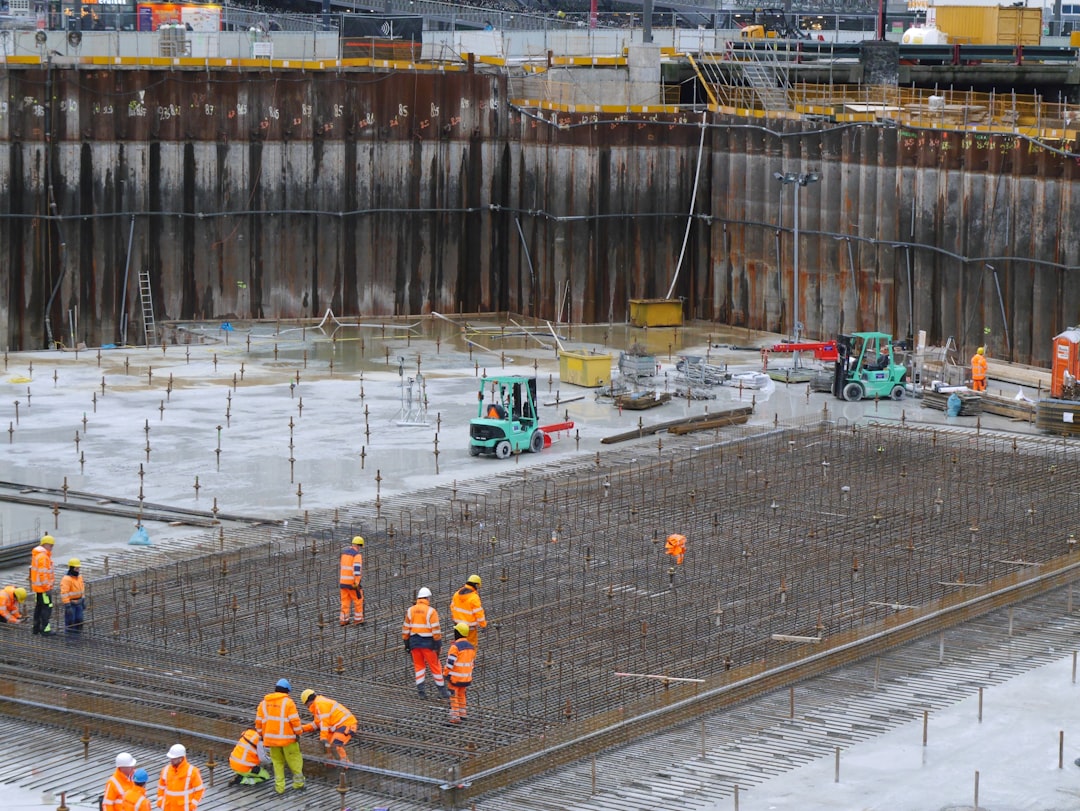
Concrete bin blocks are a versatile and durable solution for material storage needs. These blocks are made from high-quality concrete and are designed to create sturdy and reliable storage structures for a wide range of materials. Whether you need to store aggregates, sand, gravel, or other construction materials, concrete bin blocks offer a cost-effective and efficient solution. These blocks are designed to interlock with each other, creating a stable and secure storage system that can be easily customized to fit your specific needs. With their strength and durability, concrete bin blocks are an ideal choice for construction sites, industrial facilities, and other locations where reliable material storage is essential.
Concrete bin blocks are available in a variety of sizes and shapes, making them suitable for a wide range of storage needs. From small-scale storage solutions to large-scale material storage facilities, these blocks can be used to create customized storage structures that meet your specific requirements. Additionally, concrete bin blocks can be easily stacked and arranged to maximize space and create efficient storage solutions. With their versatility and customizable options, concrete bin blocks are an excellent choice for any organization or business looking for reliable and durable material storage solutions.
Key Takeaways
- Concrete bin blocks are a versatile and durable solution for material storage and can be customized to fit specific needs.
- Using concrete bin blocks for material storage offers advantages such as easy installation, reusability, and the ability to create temporary or permanent structures.
- Concrete bin blocks are known for their durability and longevity, making them a reliable option for long-term material storage needs.
- The versatility of concrete bin blocks allows for customization options such as different sizes, shapes, and configurations to suit specific storage requirements.
- Concrete bin blocks offer environmental benefits such as sustainability, recyclability, and reduced environmental impact compared to other material storage options.
Advantages of Using Concrete Bin Blocks for Material Storage
One of the key advantages of using concrete bin blocks for material storage is their exceptional strength and durability. These blocks are designed to withstand heavy loads and harsh environmental conditions, making them an ideal choice for outdoor material storage needs. Additionally, concrete bin blocks are resistant to damage from pests, rot, and corrosion, ensuring that your stored materials remain safe and secure at all times. This durability makes concrete bin blocks a long-lasting and cost-effective solution for material storage needs.
Another advantage of using concrete bin blocks for material storage is their ease of installation and maintenance. These blocks can be quickly and easily assembled to create sturdy storage structures, saving time and labor costs. Once in place, concrete bin blocks require minimal maintenance, reducing the need for ongoing upkeep and repairs. This makes them a convenient and low-maintenance solution for material storage needs. Additionally, concrete bin blocks can be easily reconfigured or expanded as needed, providing a flexible and adaptable storage solution for changing material storage requirements.
Durability and Longevity of Concrete Bin Blocks
Concrete bin blocks are known for their exceptional durability and longevity, making them an ideal choice for long-term material storage needs. These blocks are designed to withstand the rigors of outdoor storage, including exposure to harsh weather conditions, heavy loads, and other environmental factors. Their solid construction and high-quality materials ensure that they can withstand the test of time, providing reliable material storage for years to come. Additionally, concrete bin blocks are resistant to damage from pests, rot, and corrosion, further enhancing their longevity and durability.
The durability of concrete bin blocks also makes them a cost-effective solution for material storage needs. With minimal maintenance requirements and a long lifespan, these blocks offer a low total cost of ownership compared to other material storage solutions. Their ability to withstand wear and tear over time ensures that they provide reliable material storage without the need for frequent repairs or replacements. This makes concrete bin blocks an excellent investment for organizations and businesses looking for a long-term material storage solution that offers exceptional durability and reliability.
Versatility and Customization Options of Concrete Bin Blocks
Concrete bin blocks offer a high level of versatility and customization options, making them suitable for a wide range of material storage needs. These blocks are available in various sizes and shapes, allowing them to be tailored to fit specific storage requirements. Whether you need a small-scale storage solution or a large-scale material storage facility, concrete bin blocks can be customized to create the ideal storage structure for your needs. Additionally, these blocks can be easily stacked and arranged to maximize space and create efficient material storage solutions.
The versatility of concrete bin blocks also extends to their ability to be used in a variety of applications. From construction sites to industrial facilities, these blocks can be utilized to create reliable material storage solutions in diverse settings. Their ability to interlock with each other allows for the creation of stable and secure storage structures that can be adapted to fit different material storage needs. With their versatility and customization options, concrete bin blocks offer a flexible and adaptable solution for organizations and businesses looking for reliable material storage options.
Environmental Benefits of Concrete Bin Blocks
Concrete bin blocks offer several environmental benefits that make them an eco-friendly choice for material storage needs. These blocks are made from high-quality concrete, which is a sustainable and environmentally friendly building material. Additionally, concrete bin blocks can be recycled at the end of their lifespan, reducing waste and minimizing their environmental impact. This makes them a sustainable choice for organizations and businesses looking to minimize their environmental footprint while meeting their material storage needs.
Furthermore, the durability of concrete bin blocks contributes to their environmental benefits. Their long lifespan reduces the need for frequent replacements, minimizing the use of resources and energy associated with manufacturing new material storage solutions. Additionally, the minimal maintenance requirements of concrete bin blocks further reduce their environmental impact by lowering the use of chemicals and other harmful substances typically used in maintenance activities. Overall, the environmental benefits of concrete bin blocks make them an excellent choice for organizations and businesses looking to prioritize sustainability in their material storage solutions.
Cost-Effectiveness of Concrete Bin Blocks for Material Storage
Concrete bin blocks offer a cost-effective solution for material storage needs due to their durability, longevity, and low maintenance requirements. These blocks are designed to withstand heavy loads and harsh environmental conditions, providing reliable material storage without the need for frequent repairs or replacements. Their long lifespan ensures that they offer a low total cost of ownership compared to other material storage solutions, making them an excellent investment for organizations and businesses looking to minimize their long-term material storage costs.
Additionally, the ease of installation and minimal maintenance requirements of concrete bin blocks contribute to their cost-effectiveness. These blocks can be quickly assembled to create sturdy storage structures, saving time and labor costs during installation. Once in place, concrete bin blocks require minimal upkeep, further reducing ongoing maintenance expenses. Their ability to be easily reconfigured or expanded also adds to their cost-effectiveness by providing a flexible and adaptable material storage solution that can grow with changing needs. Overall, the cost-effectiveness of concrete bin blocks makes them a practical choice for organizations and businesses looking to optimize their material storage budget.
Considerations for Using Concrete Bin Blocks for Material Storage
When considering using concrete bin blocks for material storage, there are several factors to keep in mind to ensure the best results. It’s important to assess your specific material storage needs and determine the size, shape, and configuration of the storage structure required. Additionally, consider the environmental conditions at the storage site, such as exposure to weather elements or potential impact from pests or other hazards. Understanding these factors will help in selecting the most suitable concrete bin block options for your material storage needs.
Furthermore, it’s essential to work with experienced professionals when designing and installing concrete bin block storage structures. Professional expertise will ensure that the storage solution is tailored to meet your specific requirements while adhering to industry standards for safety and reliability. Additionally, consider any potential future expansion or reconfiguration needs when designing the storage structure to ensure that it remains adaptable over time. By carefully considering these factors and working with knowledgeable professionals, you can ensure that concrete bin blocks provide an effective and efficient material storage solution for your organization or business.
In conclusion, concrete bin blocks offer a versatile, durable, cost-effective, and environmentally friendly solution for material storage needs. Their exceptional strength and longevity make them an ideal choice for long-term material storage requirements in various settings. With their versatility and customization options, these blocks can be tailored to fit specific material storage needs while offering flexibility for future changes. Additionally, the environmental benefits of concrete bin blocks make them a sustainable choice for organizations and businesses looking to minimize their environmental impact. By carefully considering these factors and working with experienced professionals, concrete bin blocks can provide reliable material storage solutions that meet the unique needs of any organization or business.
FAQs
What are concrete bin blocks?
Concrete bin blocks are large, interlocking concrete blocks that are specifically designed for creating storage bins, retaining walls, and other industrial applications. They are typically used for material storage in construction sites, recycling centers, and other industrial facilities.
What are the benefits of using concrete bin blocks for material storage?
Concrete bin blocks offer several advantages for material storage, including their durability, strength, and versatility. They are also easy to install and can be reconfigured as needed, making them a cost-effective solution for temporary or permanent storage needs.
How are concrete bin blocks used for material storage?
Concrete bin blocks are stacked and interlocked to create sturdy and secure storage bins for various materials, such as aggregates, sand, gravel, and construction debris. They can be used to create single or multi-compartment storage areas, depending on the specific storage requirements.
What are the environmental benefits of using concrete bin blocks for material storage?
Concrete bin blocks are an environmentally friendly option for material storage, as they are made from recycled concrete and other sustainable materials. Additionally, their durability and reusability make them a sustainable choice for long-term storage needs.
Are concrete bin blocks suitable for outdoor storage?
Yes, concrete bin blocks are suitable for outdoor material storage, as they are designed to withstand harsh weather conditions and provide secure storage for various materials. They are commonly used in outdoor storage yards, construction sites, and other industrial settings.


